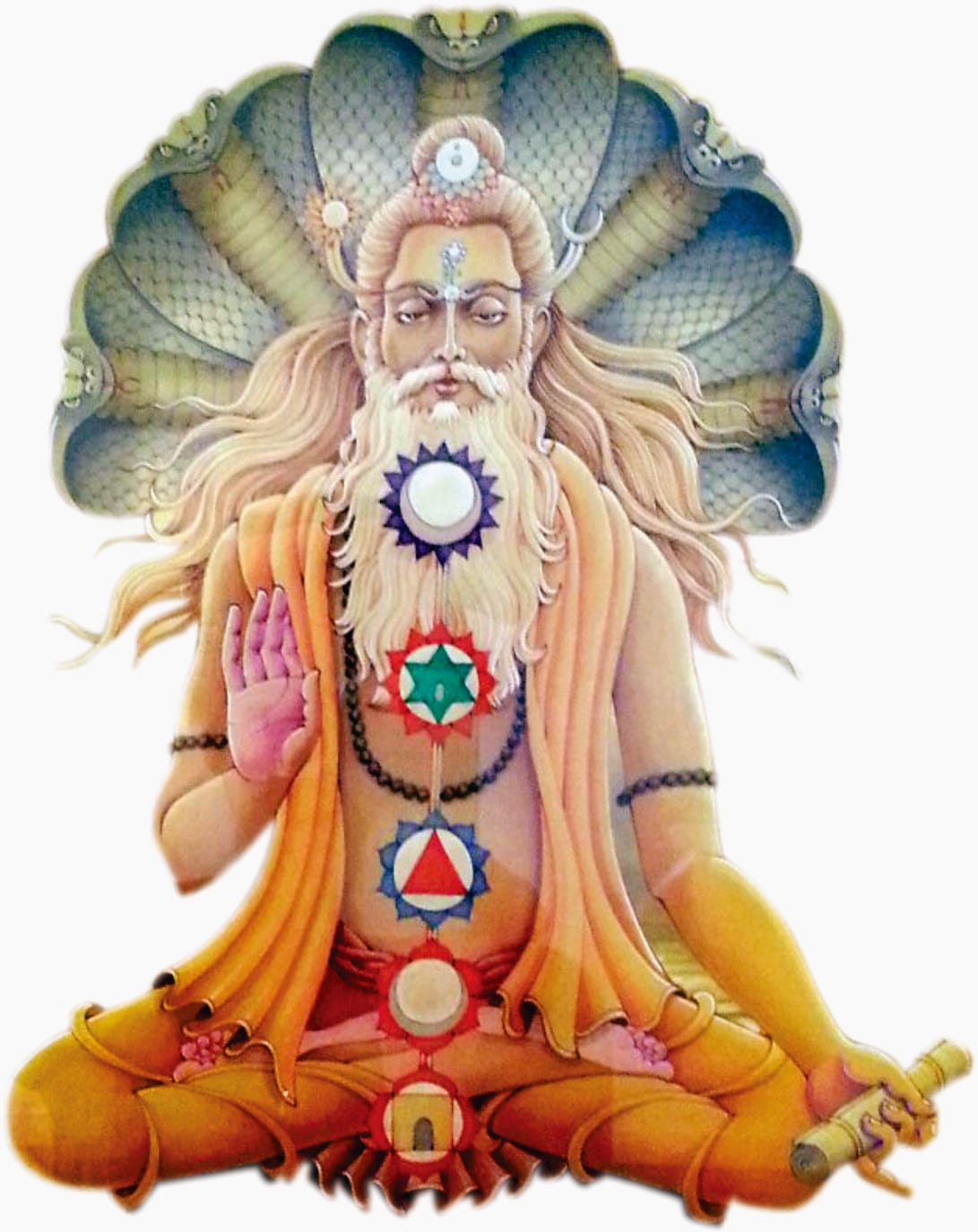
Yoga Philosophy: Ancient Wisdom for Modern Times

Our philosophical research division delves into the rich textual traditions of yoga, examining foundational works like Patanjali's Yoga Sutras, the Bhagavad Gita, Hatha Yoga Pradipika, and other seminal texts. Through careful exegesis, comparative analysis, and contemporary interpretation, we seek to uncover the timeless wisdom contained within these works.

Our approach combines traditional Sanskrit scholarship with modern philosophical inquiry, exploring how ancient yogic concepts can address contemporary challenges in ethics, psychology, education, and social transformation.

Explore Textual Studies
Ancient Yoga Texts

Research Domains

Key areas of philosophical investigation in yoga studies

Textual Analysis

Critical study and interpretation of primary yoga texts in their original languages with attention to historical context and philological nuances.

Philosophical Psychology

Examination of yoga's models of consciousness, perception, cognition, and the nature of mind as presented in classical texts.

Yoga Ethics

Study of yogic ethical frameworks (Yamas and Niyamas) and their application to contemporary moral dilemmas and social issues.

Comparative Philosophy

Dialogue between yoga philosophy and other philosophical traditions including Western, Buddhist, Jain, and Advaita Vedanta thought.

Philosophy of Education

Yogic perspectives on learning, knowledge transmission, and the role of the teacher-student relationship (guru-shishya parampara).

Applied Philosophy

Practical application of yogic principles in areas like leadership, conflict resolution, sustainability, and community building.

Textual Studies

In-depth examination of foundational yoga texts

Patanjali's Yoga Sutras

Circa 2nd Century BCE

The Yoga Sutras of Patanjali form the foundational text of classical yoga philosophy. Our research focuses on:

  • The eight limbs (Ashtanga) and their practical application
  • Concepts of citta (mind-stuff), vrittis (mental modifications), and kaivalya (liberation)
  • Comparative analysis of different commentary traditions (Vyasa, Vijnanabhikshu, etc.)
  • Modern psychological interpretations of the sutras

Ashtanga Yoga

The eightfold path: Yama, Niyama, Asana, Pranayama, Pratyahara, Dharana, Dhyana, Samadhi.

Chitta Vrittis

The five fluctuations of consciousness: valid cognition, misconception, conceptualization, sleep, and memory.

Kleshas

The five afflictions: ignorance, egoism, attachment, aversion, and clinging to life.

Bhagavad Gita

Circa 5th-2nd Century BCE

Our research on the Bhagavad Gita examines its synthesis of yoga paths and their philosophical implications:

  • The three yogas: Karma Yoga (yoga of action), Bhakti Yoga (yoga of devotion), and Jnana Yoga (yoga of knowledge)
  • The concept of nishkama karma (selfless action) and its ethical dimensions
  • The Gita's approach to duty, righteousness, and social responsibility
  • Psychological insights into human motivation and conflict resolution

Stitha-prajna

The person of steady wisdom who remains undisturbed in success and failure.

Swadharma

One's own duty or righteous path based on individual nature and circumstances.

Yogas

The integrated paths of knowledge, devotion, and selfless action leading to liberation.

Hatha Yoga Pradipika

15th Century CE

Our study of this foundational Hatha Yoga text focuses on the physical-spiritual connection:

  • The purification practices (shatkarmas) and their therapeutic benefits
  • Energy body anatomy: nadis, chakras, and prana vayus
  • Advanced practices: mudras, bandhas, and pranayama techniques
  • The relationship between Hatha Yoga and Raja Yoga (meditative practices)

Shatkarmas

Six cleansing techniques for physical and energetic purification.

Mudras & Bandhas

Gestures and locks that redirect pranic energy for spiritual awakening.

Nadis & Chakras

The subtle energy channels and centers that form the yogic body map.

Contemporary Relevance

Applying ancient yogic wisdom to modern challenges

Mental Health & Wellbeing

Yogic practices for stress management, emotional regulation, and cultivating resilience in challenging times.

Integration of mindfulness, breath awareness, and ethical living into therapeutic contexts.

Social Harmony

Yogic principles of non-violence (ahimsa), truthfulness (satya), and compassion (karuna) as foundations for social justice and community building.

Applications in conflict resolution, diversity training, and inclusive leadership.

Environmental Ethics

Yogic concepts of interconnectedness (pratityasamutpada) and simplicity (aparigraha) informing sustainable living and ecological consciousness.

Holistic approaches to climate change, consumption patterns, and environmental stewardship.

Educational Transformation

Integrating yogic values and mindfulness practices into educational systems to enhance learning, creativity, and holistic development.

Teacher training programs that incorporate self-reflection and ethical modeling.

Current Philosophical Research

Ongoing investigations and scholarly projects

Yoga Sutras in the Digital Age

2023-2025

An interdisciplinary project examining how digital technologies are reshaping the transmission and interpretation of Patanjali's Yoga Sutras. The study includes:

  • Analysis of online commentary and interpretation patterns
  • Digital hermeneutics of ancient texts
  • The impact of social media on yoga philosophy dissemination
  • Developing digital tools for Sanskrit text analysis
Project Details

Yoga Ethics & Artificial Intelligence

2024-2026

Exploring how yogic ethical frameworks can inform the development and implementation of AI technologies. Research questions include:

  • Can the Yamas (ethical restraints) guide AI ethics?
  • Yogic concepts of consciousness and their relevance to AI consciousness debates
  • Mindfulness practices for digital wellbeing in an AI-saturated world
  • Ancient wisdom for modern technological dilemmas
Project Details

Join Our Philosophical Inquiry

We welcome scholars, students, and practitioners interested in the philosophical dimensions of yoga. Participate in our seminars, reading groups, and research collaborations.

Contact Our Philosophy Team View Philosophical Publications